big savings on our quality ebooks

Emotional Eating Explained: Triggers, Patterns, and How to Break the Cycle
WEIGHT LOSSEATING PSYCHOLOGY
Jason
1/19/20262 min read


Emotional eating doesn’t mean you’re weak.
It means you’re human.
Most people don’t overeat because they’re hungry—they eat because they’re:
Stressed
Overwhelmed
Lonely
Bored
Mentally exhausted
Food becomes relief. And for a moment, it works.
What Emotional Eating Really Is
Emotional eating happens when food is used to regulate feelings instead of hunger.
It often looks like:
Eating when you’re not physically hungry
Craving specific comfort foods
Feeling out of control around food
Guilt or shame afterward
The problem isn’t the food.
The problem is that food becomes the only coping tool available.
Common Emotional Eating Triggers
Emotional eating usually follows patterns. Some of the most common triggers include:
Stress after a long day
Rewarding yourself for “being good”
Restriction earlier in the day
Feeling like you’ve failed and saying “screw it”
Once you recognize your triggers, the behavior stops feeling random—and becomes manageable.
Why Dieting Makes Emotional Eating Worse
Strict dieting removes food as an option while emotions stay the same.
So when stress hits:
You’re hungry and emotionally drained
Forbidden foods feel more powerful
One slip turns into overeating
This is why many people swing between “being good” and “losing control.”
It’s not lack of discipline—it’s unmet needs.
Breaking the Cycle (Without Giving Up Food)
The goal isn’t to never emotionally eat again.
The goal is to reduce how often it happens and how intense it feels.
That starts with:
Eating enough consistently
Removing food guilt
Creating alternative ways to cope with emotions
Learning to pause instead of react
When food is no longer forbidden, it loses its emotional charge.
You Don’t Need Perfect Control
Freedom comes from knowing:
You can handle emotions without food sometimes
You can enjoy food without spiraling
One emotional eating moment doesn’t ruin anything
This is how control becomes calm instead of forced.
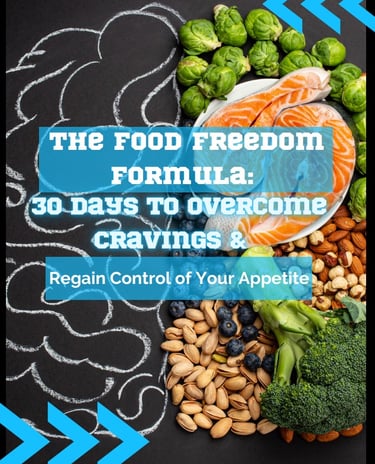
The Food Freedom Formula: 30 Days to Overcome Cravings & Regain Control of Your Appetite helps you:
Break emotional eating patterns
Reduce cravings without restriction
Build trust with yourself around food
If you’re tired of starting over and want a clear, realistic system you can actually maintain…


Download: “Why You Emotionally Eat (And the First 3 Steps to Stop the Cycle)”
Inside this free guide you’ll discover:
Your most common emotional eating triggers
Why willpower doesn’t work here
Simple steps to interrupt the cycle without restriction
Contact
JOIN THE SUSTAINABLE HEALTH sERIES
jason@nova-reads.com
(+27)-71-131-0815
© 2024. All rights reserved.